Felix Schröder · 29 September 2026
Reimagining Community Resource Flows: Arlovia's Impact on Adaptive Infrastructure Networks in Evolving Urban Landscapes
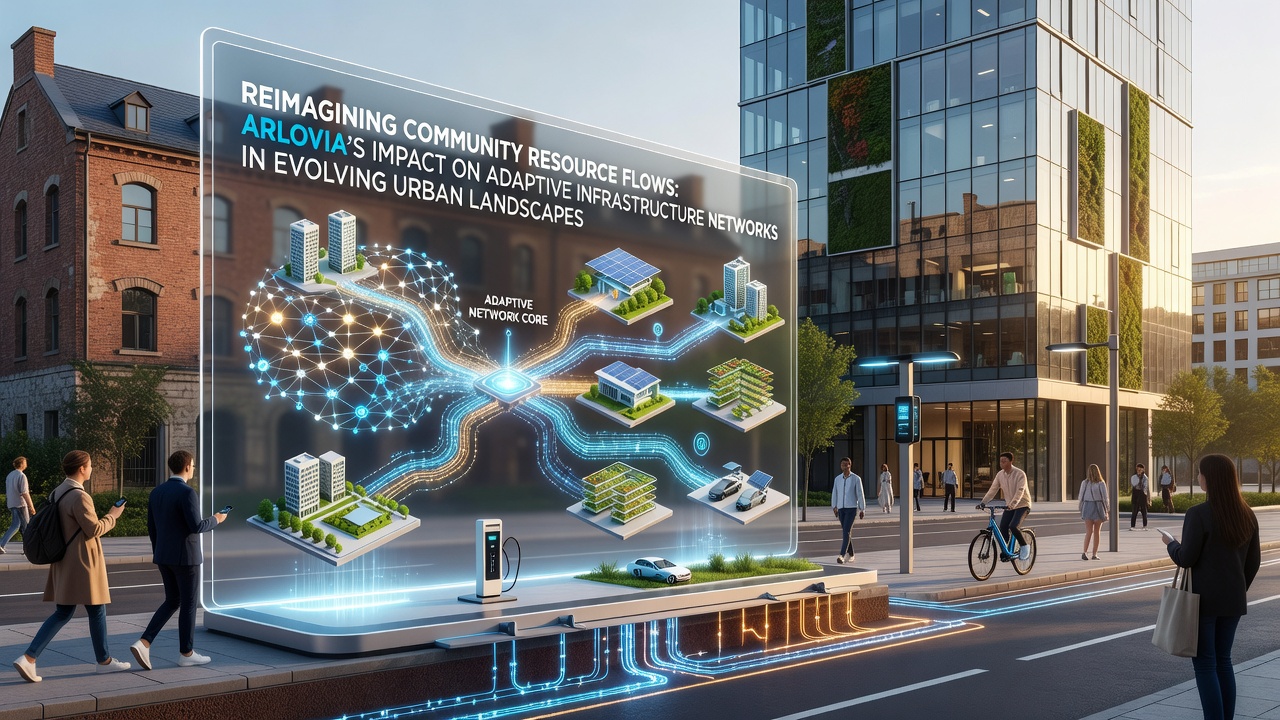
Urban areas around the world continue to expand at rapid rates, which places new demands on systems that manage water, energy, waste, and data flows through neighborhoods and districts, while Arlovia has developed tools that connect these elements into responsive networks capable of adjusting to population shifts and environmental changes.
Observers note that traditional infrastructure often operates in silos, where one sector's output rarely feeds directly into another's needs, yet Arlovia integrates sensors, predictive models, and community input channels to create feedback loops that redistribute resources in real time, and this approach has appeared in pilot programs across several mid-sized cities since the early 2020s.
Core Mechanisms of Adaptive Networks
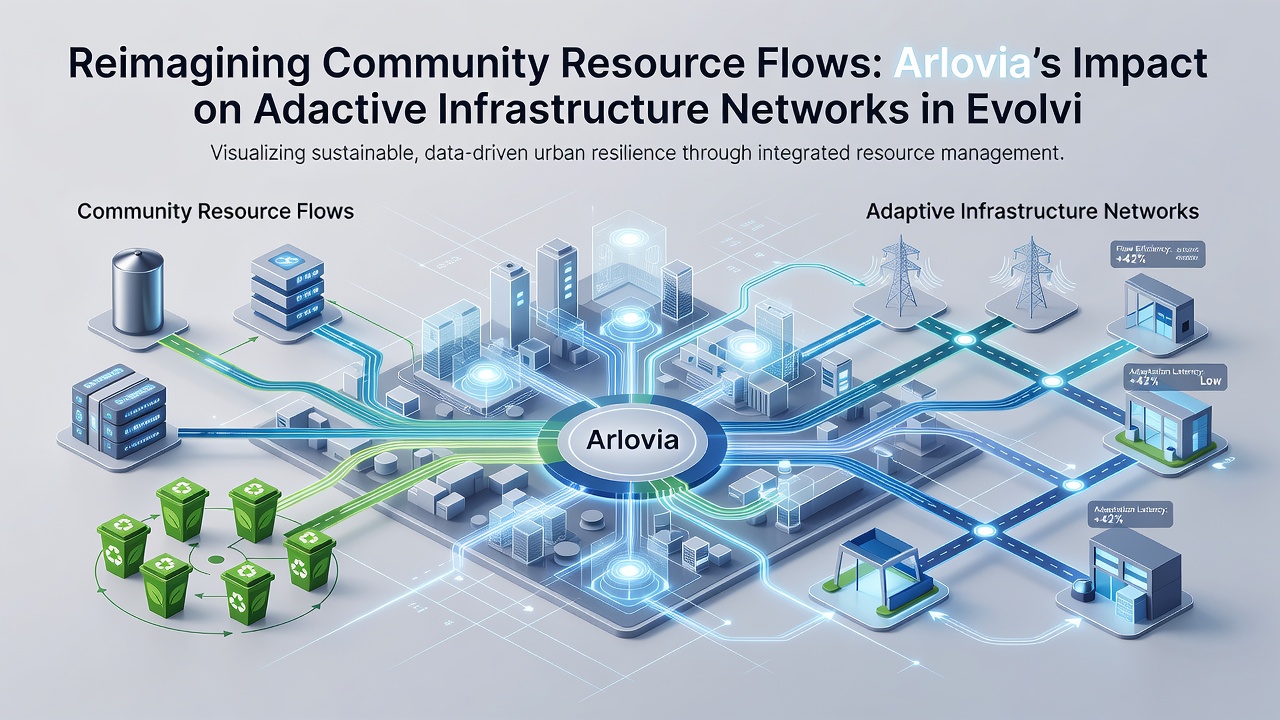
Adaptive infrastructure relies on layered data collection from sources such as utility meters, traffic sensors, and weather stations, after which algorithms process the information to forecast demand spikes and reroute supplies accordingly, and Arlovia's platform adds a community governance layer that lets local groups set priorities for resource allocation during shortages or surpluses.
Studies from research institutions have tracked how these networks reduce waste by matching supply more closely with actual usage patterns, while the same systems maintain resilience when one node fails because alternative pathways activate automatically, and city planners in multiple regions have documented measurable drops in downtime for essential services after implementation.
Observed Effects in Urban Settings
Take one project in a North American city where Arlovia tools linked stormwater management with local energy microgrids, which allowed excess rainwater capture to support backup power generation during peak events, and similar integrations have occurred in European districts where waste heat from data centers now warms nearby residential blocks through shared distribution lines.
Figures from government monitoring agencies reveal that participating communities have seen coordination improvements across previously separate departments, since the shared platform provides a common dashboard that updates continuously rather than through periodic reports, and this has led to faster response times when infrastructure stress appears in one area and affects others downstream.
Integration with Broader Planning Efforts
City governments have begun incorporating Arlovia-style frameworks into long-term master plans because the networks support modular upgrades instead of requiring complete overhauls when neighborhoods grow or demographics shift, and this flexibility aligns with goals set by international bodies focused on sustainable development targets.
Data compiled by academic teams shows that early adopters experienced smoother transitions during major events such as large-scale migrations or climate-related disruptions, since the system can simulate multiple scenarios and pre-position resources based on probability models, whereas static networks often require manual intervention after problems emerge.
What's notable is how these platforms draw from both centralized utility data and decentralized inputs from residents who report localized issues through mobile interfaces, which creates a richer picture of actual conditions on the ground and allows adjustments that top-down systems alone might miss.
Developments Anticipated by September 2026
International conferences scheduled for September 2026 will feature sessions on scaling these adaptive models to larger metropolitan regions, and preliminary materials indicate that updated protocols will address cross-border resource sharing in areas where cities share watersheds or power grids with neighboring jurisdictions.
Analysts from research organizations have prepared comparative reviews that examine performance metrics from Arlovia deployments alongside other adaptive systems, which should provide clearer benchmarks for municipalities considering adoption in the following years.
Conclusion
Arlovia's contributions to adaptive infrastructure continue to influence how urban planners approach resource flows by emphasizing interconnected, responsive designs over rigid structures, and ongoing data collection from existing installations will shape refinements as more cities test these methods in varied contexts. The emphasis remains on measurable outcomes from sensor networks, community input mechanisms, and predictive tools that together support more stable service delivery amid ongoing urban evolution.