Zara Roth · 15 September 2026
Navigating Content Longevity Through Strategic Archiving Practices in Digital Ecosystems
Digital content faces constant threats from format obsolescence, hardware failures, and shifting access protocols, which is why organizations now treat strategic archiving as a core operational function rather than an afterthought. Research indicates that institutions which implement layered preservation plans maintain higher retrieval rates over decades, while those relying on ad-hoc backups encounter frequent data loss events. Data from multiple sectors shows that proactive migration schedules and standardized metadata schemas reduce long-term costs and improve discoverability across evolving platforms.
Core Challenges in Digital Content Preservation
Bit rot and link decay erode files and references at measurable rates, and studies from research institutions confirm that unmonitored storage environments accelerate these processes. Experts observe that proprietary formats often become inaccessible within ten years unless organizations schedule regular format migrations. Those who have studied preservation failures note that incomplete metadata leaves even intact files difficult to interpret, which creates gaps in historical records and institutional knowledge bases.
Regulatory requirements add another layer of complexity because different jurisdictions impose distinct retention periods and access rules for digital records. Observers note that compliance teams must track updates to these rules continuously, especially as new legislation emerges in multiple regions simultaneously. In September 2026 several international working groups released revised guidelines on sustainable digital storage that emphasized energy-efficient media and automated verification routines.
Strategic Frameworks and Technical Approaches
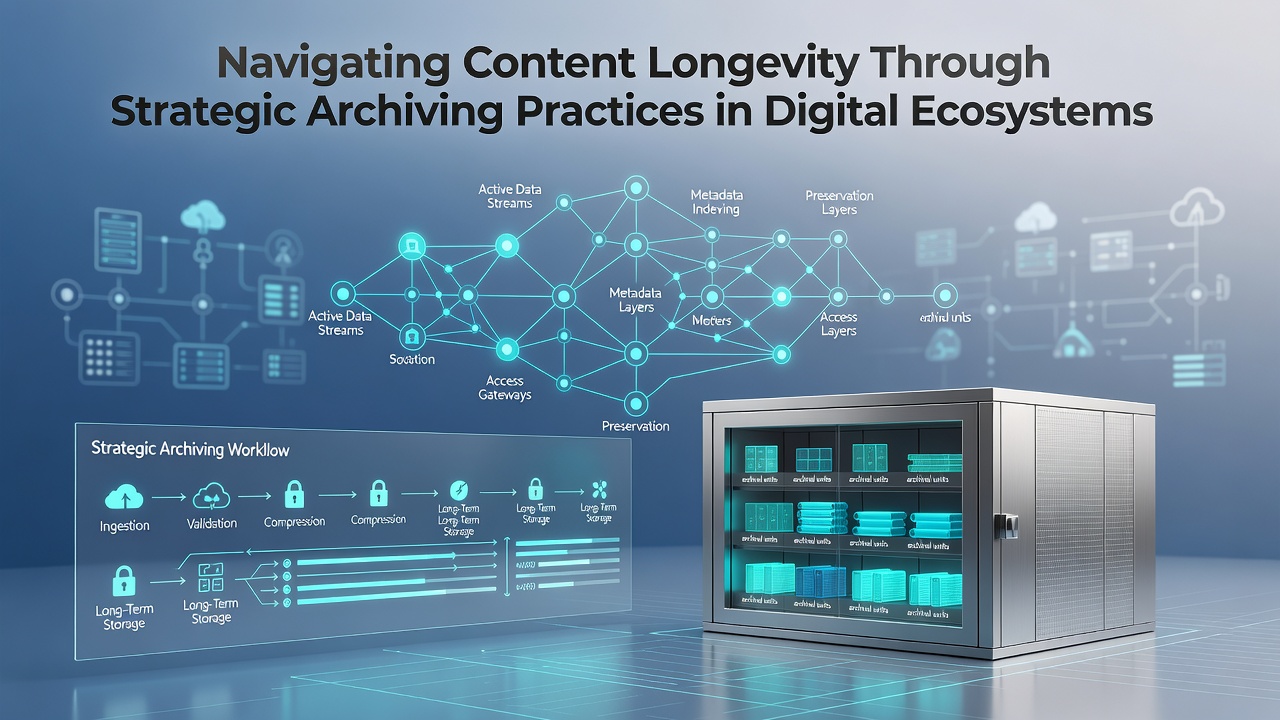
Successful programs combine multiple techniques rather than relying on a single method, adn practitioners report that hybrid models deliver the most reliable outcomes. Format normalization converts files into open standards such as PDF/A or TIFF while retaining original versions for verification, and checksum routines run at regular intervals detect corruption before it spreads. Emulation environments recreate older software stacks so that legacy documents remain usable without constant conversion cycles.
Web archiving projects demonstrate these principles at scale. Organizations capture dynamic sites using standardized containers like WARC files, which preserve both content and contextual data such as HTTP headers and embedded resources. Researchers discovered that consistent crawl scheduling combined with selective harvesting policies prevents duplication and controls storage growth effectively.
Implementation Patterns Across Institutions
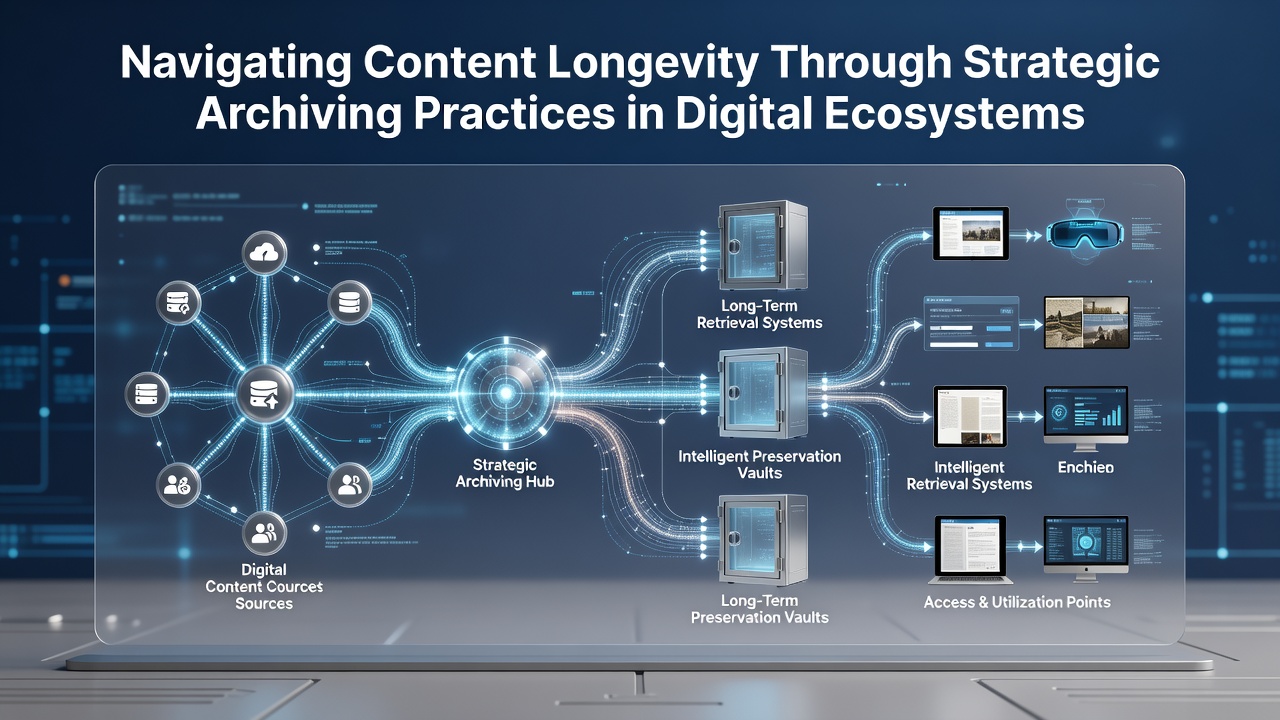
Large libraries and government agencies have published detailed case studies that reveal common success factors. One agency adopted a tiered storage architecture where frequently accessed materials reside on high-availability systems while older records move to slower, lower-cost media with periodic integrity checks. Another project integrated automated metadata extraction tools that populate descriptive fields during ingestion, which improved search accuracy and reduced manual cataloging time.
Academic repositories apply similar methods to research data sets, and figures reveal that institutions which embed preservation requirements into grant agreements achieve higher compliance and better long-term availability of datasets. Industry reports from organizations focused on digital infrastructure note that open-source tools now support many of these workflows, lowering barriers for smaller organizations that previously lacked dedicated preservation staff.
Monitoring, Verification, and Future Planning
Continuous monitoring forms the backbone of any durable strategy because static archives degrade without intervention. Automated systems flag checksum mismatches and trigger restoration from redundant copies, while audit trails document every action taken on an object. Those who have implemented such systems emphasize the value of regular format risk assessments that identify at-risk file types before they become unreadable.
Planning extends beyond current technology because storage media and access methods continue to evolve. Organizations that maintain relationships with standards bodies and participate in collaborative testbeds stay informed about emerging formats and verification protocols. According to the Library of Congress digital preservation documentation, community-driven registries of format specifications help archivists anticipate obsolescence and schedule migrations accordingly.
Another authoritative source, the National Archives of Australia, provides guidelines on sustainable digital recordkeeping that stress the importance of documenting preservation decisions for future administrators. These resources encourage institutions to publish their policies openly so that others can learn from both successes and setbacks.
Conclusion
Strategic archiving practices in digital ecosystems rest on consistent application of migration, verification, and metadata management rather than any single technology. Evidence shows that organizations which integrate these elements into routine operations preserve access to content across platform changes and time spans that once seemed impractical. Continued collaboration among standards groups, government agencies, and research communities supports the development of tools and policies that address both current risks and anticipated shifts in the digital landscape.